 Tag:
Tag:
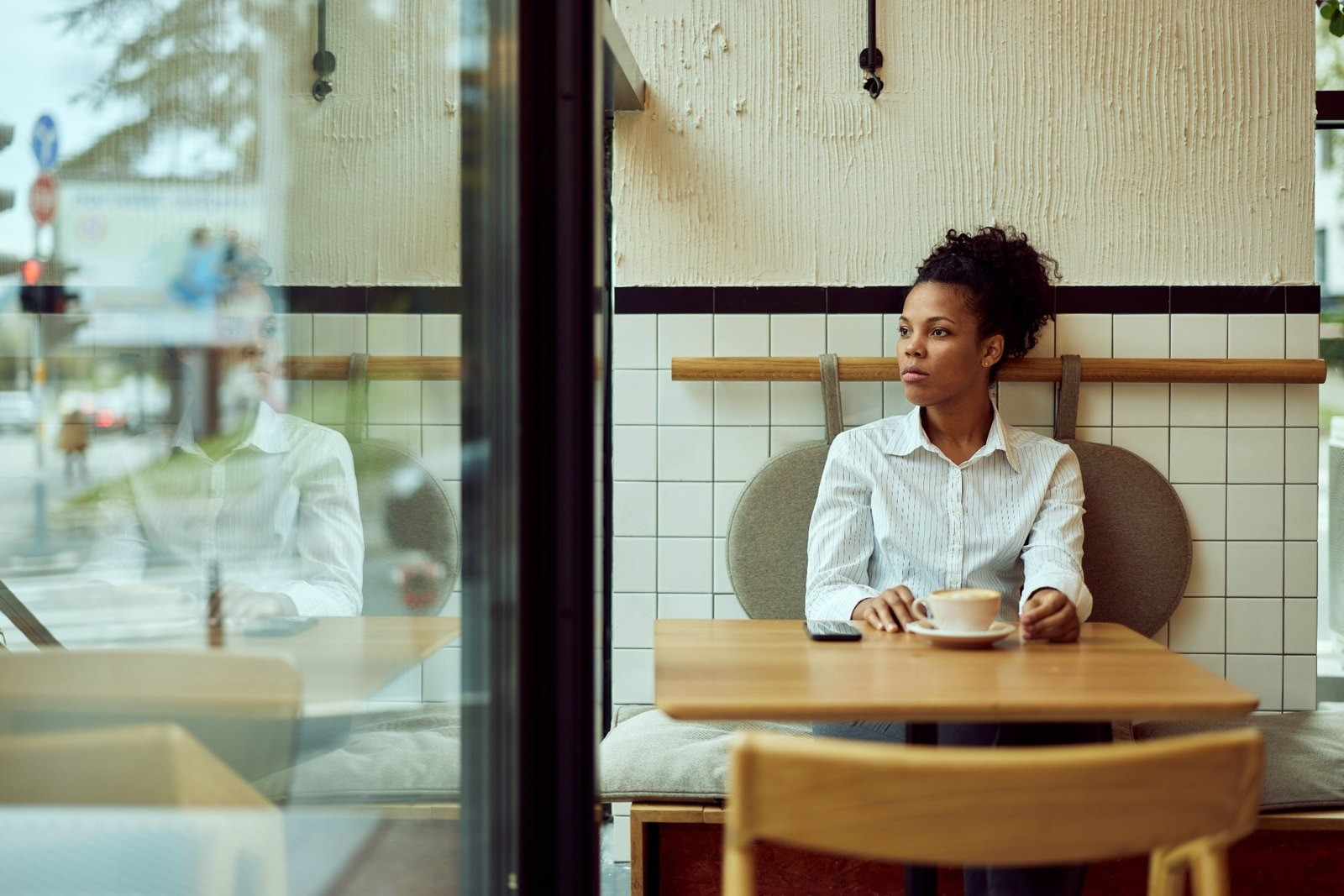
What Should You Wear for an EMDR Session?
Short Answer: You do not need to wear anything special for an EMDR session. Choose clothing that feels comfortable and lets you sit, breathe, and move naturally. Soft, familiar clothes can make it easier to settle into the session without being distracted by tight waistbands, stiff fabrics, uncomfortable shoes, or anything else that keeps pulling your attention away. The same basic idea applies whether your EMDR session is therapist-led in person, therapist-guided online, or self-guided. What matters most is that your clothing feels comfortable enough for you to focus on the session rather than what you are wearing.
Key Takeaways
- There is no special dress code for EMDR.
- Comfortable clothing can make it easier to focus without unnecessary distractions.
- Choose clothes that let you sit, breathe, and move naturally for the length of your session.
- Layers can be useful if you tend to feel warmer or cooler while sitting for a while.
- The same general approach works for therapist-led in-person, therapist-guided online, and self-guided EMDR sessions.
Is There a Dress Code for EMDR?
No. EMDR does not require a particular type of clothing. You do not need workout clothes, loose clothing, special shoes, or anything designed specifically for therapy. In most cases, you can wear the same kind of comfortable outfit you would choose for an ordinary appointment where you expect to be sitting for a while.
The purpose of thinking about clothing is simply to reduce distractions. If an outfit feels comfortable when you sit down and stays comfortable as the session continues, it is usually a practical choice. There is no need to make clothing part of the EMDR process itself.
You can also dress in a way that fits the rest of your day. If you are coming from work, school, errands, or another appointment, there is generally no need to change just for EMDR unless you would personally feel more comfortable doing so.
Why Does Comfort Matter During a Session?
An EMDR session asks you to pay attention to what is happening as you work with a target. That can include memories, thoughts, emotions, beliefs, images, and body sensations. Clothing that feels comfortable can make it easier to give your attention to those parts of the experience instead of repeatedly noticing a tight collar, an itchy fabric, or shoes that are bothering you.
Comfort does not mean you need to create a perfect environment. Small everyday distractions are normal. The goal is simply to avoid clothing that you already know tends to make you uncomfortable when you sit for an extended period.
Familiar clothing can also be a simple choice because you already know how it feels. If you have a shirt, sweater, pants, or another outfit that you regularly wear when relaxing or working at home, that can be perfectly suitable for an EMDR session.
Do You Need Loose Clothing?
Loose clothing can be comfortable, but it is not a requirement. Some people prefer relaxed clothing because it gives them room to shift position, cross or uncross their legs, or adjust how they are sitting. Others feel just as comfortable in jeans, work clothes, or another everyday outfit.
A useful question is whether the clothing lets you sit naturally without needing frequent adjustments. If the answer is yes, the fit is probably fine for the session. You do not need to choose clothing based on what you think an EMDR session is supposed to look like.
This also means you do not need to avoid fitted clothing automatically. If something feels comfortable to you and does not limit your movement or distract you, there is no reason it cannot be worn. Personal comfort is more useful than following a specific style rule.
What About Shoes?
Wear shoes that feel comfortable for the setting. For a therapist-led in-person appointment, this might simply mean the shoes you normally wear during the day. For a therapist-guided online or self-guided session at home, you might prefer slippers, socks, or no shoes at all if that is how you are most comfortable in your own space.
There is no EMDR-specific reason to choose one type of footwear over another. The practical consideration is whether your feet feel comfortable while you are sitting and whether you can settle into a natural position.
If you already know that a pair of shoes becomes uncomfortable after sitting for a while, choosing another pair can remove one small distraction. Beyond that, footwear does not need much planning.
Can Layers Be Helpful?
Layers can be useful because they give you an easy way to adjust if the room feels warmer or cooler than expected. A light sweater, cardigan, or jacket can be removed or added without changing the rest of your outfit.
This can be especially practical when you do not control the room temperature, such as during an in-person appointment. At home, you can simply keep an extra layer nearby if you want the option to adjust without interrupting the session.
You do not need to assume that EMDR itself will make you feel hot or cold. Layers are simply an everyday comfort option, much like bringing a sweater to any appointment where you will be sitting for some time.
A Simple Way to Choose What to Wear
Whether your session is therapist-led in an office, therapist-guided online, or self-guided through a program such as Virtual EMDR, it can help to choose your clothing before you begin so you can settle into the session without needing to make adjustments once you have started. The goal is convenience and comfort rather than creating a special therapy outfit.
If your session includes movements such as tapping or following visual cues on a screen, choose a position and clothing that allow you to use those features comfortably. You do not need extra room beyond what feels natural for the way you are completing the session.
Are There Clothes You Should Avoid?
There is no universal list of clothing you need to avoid. Instead, think about items that you personally find distracting. An outfit that works well for one person can feel uncomfortable to someone else.
For example, if you already know that a certain waistband feels tight when you sit, a fabric becomes itchy after a while, or a piece of jewelry needs constant adjustment, you might choose something different for convenience. These are ordinary comfort choices rather than EMDR rules.
You also do not need to remove accessories simply because you are doing EMDR. If glasses, jewelry, a watch, a head covering, or another item is part of what you normally wear and it feels comfortable, it can generally remain part of your outfit.
What If You Are Coming Straight From Work or School?
You do not need to arrive in special clothing. If you are going directly from work, school, or another part of your day to an EMDR appointment, the clothes you are already wearing can be completely fine.
If you know that your work clothes feel restrictive after several hours, you can bring a more comfortable layer or change beforehand if that would help you settle in. This is a personal preference, not a requirement for the session.
Keeping preparation simple can be helpful. EMDR does not need an elaborate routine before you begin. Wearing something that feels reasonably comfortable and arriving ready to focus is enough.
Does Clothing Affect How Well EMDR Works?
There is no particular outfit that makes EMDR work better. Clothing is about practical comfort, not effectiveness. Wearing sweatpants does not make a session more useful, and wearing office clothes does not make it less useful.
What you notice during the session and how your response to the target changes are more relevant than what you are wearing. Comfortable clothing can support the experience by reducing avoidable distractions, but it is not part of how progress is measured.
This is why there is no need to overthink the decision. If you can sit comfortably, move naturally, and focus without your clothes repeatedly demanding your attention, your outfit is doing its job.
Keep Preparation Simple
Before the session, think about how the outfit feels when you sit rather than only how it feels when you are standing. If you can sit comfortably for the expected length of the appointment, that is a good starting point.
You can also consider the room temperature and whether you would like an extra layer nearby. For a home session, you can set out anything you might want before you begin so you do not have to interrupt yourself later.
Beyond those simple choices, there is nothing special you need to prepare. Your clothing does not need to signal that you are doing therapy or create a particular mood. Comfortable, familiar, and practical is enough.
Conclusion
You do not need special clothing for an EMDR session. The best choice is simply something that feels comfortable, allows you to sit and move naturally, and does not create unnecessary distractions.
Loose clothing can be helpful if you prefer it, but it is not required. Everyday clothes, work clothes, layers, comfortable shoes, or relaxed clothing at home can all be suitable depending on what feels right for you.
Keep the decision simple. EMDR does not depend on what you wear. Choosing an outfit that lets you focus comfortably on the session is enough.








View Comments