Logo
  • EMDR Program
    • About Virtual EMDR
    • What is EMDR?
    • For Therapists
    • Send a Gift
    • Pricing
  • What We Help With
    • Addiction
    • Anxiety
    • Childhood Trauma
    • Depression
    • Grief & Loss
    • PTSD & Trauma
    • Anger
    • Phobias & Fears
    • Self-Esteem
    • Stress
  • Success Stories
  • About
    • About Us
    • Partner With Us
    • Affiliate Program
    • EMDR Study Results
  • Resources
    • Knowledge Base
    • EMDR Videos
    • Find a Therapist
  • Youth
  • Log In
    Try for Free
    Log In
    Start Free Trial
  • EMDR Program
    • About Virtual EMDR
    • What is EMDR
    • For Therapist
    • Send a Gift
    • Pricing
  • What We Help With
    • Addiction
    • Anxiety
    • Childhood Trauma
    • Depression
    • Grief & Loss
    • PTSD & Trauma
    • Anger
    • Phobias & Fears
    • Self-Esteem
    • Stress
  • Success Stories
  • About
    • About Us
    • Partner With Us
    • Affiliate Program
    • EMDR Study Results
  • Resources
    • Knowledge Base
    • EMDR Videos
    • Find a Therapist
  • Youth
  • Virtual EMDR Knowledge Base

    Explore our growing library of evidence-based articles about EMDR, self-guided EMDR, trauma, PTSD, anxiety, childhood trauma, panic attacks, grief, depression, dissociation, and more.

    Filter By Tag:

    Anxiety Childhood Trauma Grief Addiction Anger Management Fear Phobia Stress Self-esteem
    Man sitting outdoors reflecting on grief and loss

    EMDR for Grief

    10 Sep 2026

    EMDR can be used to work with specific painful memories, thoughts, feelings, guilt, regret, and reminders connected to grief. This article explains how EMDR may focus on the parts of a loss that remain especially emotionally charged without removing the meaning of the relationship or the grieving pr

    Man outdoors looking thoughtful near the beach

    EMDR for Depression

    10 Sep 2026

    EMDR is used with people experiencing depression, especially when distressing memories, losses, current triggers, or negative self-beliefs remain emotionally significant. This article explains what EMDR may focus on, how negative beliefs can connect to past experiences, what the research says, and w

    Man running outdoors along a rocky beach

    EMDR for Social Anxiety

    10 Sep 2026

    EMDR has been used to work with distressing memories, current triggers, anticipated situations, and negative self-beliefs connected to social anxiety. This article explains how EMDR may approach social fears, how to choose a useful focus area, and what progress may look like.

    Woman sitting peacefully by the beach with her eyes closed

    EMDR for Childhood Trauma

    10 Sep 2026

    EMDR can be used to work with distressing childhood memories and present-day reactions connected to earlier experiences. This article explains how childhood experiences can influence long-standing beliefs, how EMDR may work with memories that are incomplete or decades old, and what progress can look

    Woman looking thoughtfully out a window, representing reflection after a self-guided EMDR session before bed.

    Can You Do Self-Guided EMDR Before Bed?

    10 Sep 2026

      Yes. You can do self-guided Eye Movement Desensitization and Reprocessing (EMDR) before bed if that timing works well for you. There is no general rule that EMDR has to be done earlier in the day. Some people may like having quiet, uninterrupted time in the evening, while others may pr

    Thoughtful woman sitting indoors in a quiet setting, representing focus and privacy for a self-guided EMDR session.

    What Is the Best Setting for Self-Guided EMDR?

    10 Sep 2026

    The best setting for self-guided Eye Movement Desensitization and Reprocessing (EMDR) is usually a comfortable place where you have enough privacy, time, and freedom from interruptions to focus on the session. You do not need a special therapy room or perfectly quiet environment. For most people, a

    Smiling man holding a smartphone while seated outdoors, representing a self-guided EMDR option that may include tapping instead of eye movements.

    Can You Use Tapping Instead of Eye Movements?

    10 Sep 2026

    Yes. Tapping can be used instead of eye movements for bilateral stimulation during Eye Movement Desensitization and Reprocessing (EMDR). Instead of following something from side to side with your eyes, you alternate gentle taps between the left and right sides of your body. Eye movements are the mos

    Man wearing headphones while sitting on a bench with a laptop, representing audio bilateral stimulation during EMDR.

    Can You Use Headphones for Bilateral Stimulation?

    10 Sep 2026

    Yes. Headphones can be used for audio bilateral stimulation during Eye Movement Desensitization and Reprocessing (EMDR). With audio bilateral stimulation, sounds alternate between the left and right ears, and stereo headphones or earbuds allow you to hear that alternating pattern clearly. You genera

    Man resting on the floor beside a laptop while wearing earphones, representing a break during a self-guided EMDR session.

    How Long Should a Self-Guided EMDR Session Be?

    10 Sep 2026

    There is no single required length for a self-guided Eye Movement Desensitization and Reprocessing (EMDR) session. A session might last around 20 to 60 minutes, depending on the program, what you are working on, and how long you want to continue. Longer is not necessarily better. The goal is to give

    Man sitting quietly on the floor at home, representing a pause during a self-guided EMDR session.

    When Should You Pause Self-Guided EMDR?

    10 Sep 2026

    You can pause self-guided Eye Movement Desensitization and Reprocessing (EMDR) whenever you want. A pause may make sense if you are having trouble focusing, feel more uncomfortable than you want to continue with, become tired or distracted, get interrupted, or simply decide you have done enough for

    Man using a tablet while seated indoors, representing a beginner exploring self-guided EMDR.

    Can Beginners Try Self-Guided EMDR?

    10 Sep 2026

    Yes. You do not need previous EMDR experience to try a structured self-guided EMDR program. If you're new to EMDR, it can help to first understand the basic process, choose a specific issue or memory to focus on, and give yourself time to become familiar with how bilateral stimulation works. You

    Woman sitting thoughtfully at home, reflecting on what to focus on during a self-guided EMDR session.

    How Do You Choose a Target for Self-Guided EMDR?

    10 Sep 2026

    An EMDR target is the specific memory, situation, thought, feeling, or belief you want to focus on during a session. For self-guided EMDR, it usually helps to choose something specific rather than trying to work on a broad problem all at once. You also don't have to start with the most difficult

    Smiling man relaxing outdoors, representing a positive belief and emotional shift during EMDR.

    What Is a Positive Cognition in EMDR?

    10 Sep 2026

    In EMDR, a positive cognition is a positive belief about yourself that you would prefer to believe when thinking about the memory or experience you are working on. It is usually a short statement such as “I am good enough,” “I have choices now,” or “I can trust myself.&

    Woman sitting thoughtfully at home holding a cup, representing negative beliefs and self-reflection during EMDR.

    What Is a Negative Cognition in EMDR?

    10 Sep 2026

    In EMDR, a negative cognition is a negative belief about yourself that feels connected to the memory or experience you are working on. It is usually a short statement such as “I am powerless,” “I am not good enough,” or “I cannot trust myself.” The belief does not

    Older woman sitting calmly on a park bench, representing reflection and recovery after trauma.

    EMDR for Trauma

    10 Sep 2026

    EMDR is a well-established approach for working with distressing memories and reactions connected to trauma. It combines focused attention with bilateral stimulation, such as guided eye movements, alternating sounds, or tapping. EMDR is most strongly researched for PTSD, but people may also use it t

    Man in military clothing sitting indoors with hands clasped, representing PTSD and trauma recovery.

    EMDR for PTSD

    10 Sep 2026

    EMDR is a well-established treatment for post-traumatic stress disorder (PTSD). It helps people work with distressing memories and the thoughts, feelings, and reactions connected to them by combining focused attention with bilateral stimulation, such as guided eye movements, alternating sounds, or t

    Anxious woman wearing glasses sitting indoors with her hands near her mouth

    EMDR for Anxiety

    10 Sep 2026

    EMDR is used to help people work with anxiety, particularly when anxious reactions are connected to distressing memories, triggers, fears, or negative beliefs. Although EMDR has been studied most extensively for PTSD, therapists also routinely use it for anxiety, panic, phobias, and related concerns

    Woman resting thoughtfully on a park bench outdoors

    Who Should Not Do EMDR?

    10 Sep 2026

    There is not a broad category of people who can never do EMDR. More often, the question is whether this is a good time to do a session and whether a self-guided or therapist-guided format makes the most sense for you. You may want to wait if you are in an immediate mental health crisis, are under th

    Man at home reflecting on thoughts related to OCD

    EMDR for OCD

    09 Sep 2026

    EMDR is sometimes used for obsessive-compulsive disorder when specific memories, feared scenarios, beliefs, or past experiences are closely connected to a person's symptoms. This article explains how EMDR may be used for OCD, how it differs from Exposure and Response Prevention, and when trauma-

    Man sitting at home reflecting on panic-related feelings

    EMDR for Panic Attacks

    09 Sep 2026

    EMDR can be used to work with panic attacks by focusing on past episodes, physical sensations, panic-related beliefs, and fear of future attacks. This article explains how panic experiences can become connected to memories and body sensations, what an EMDR session may focus on, and what progress can

    Woman using a laptop at home during an EMDR session

    Can EMDR Make Things Worse Before They Get Better?

    09 Sep 2026

    EMDR does not require things to feel worse before they improve. This article explains why difficult emotions can briefly feel more noticeable during a session, why reactions vary from person to person, and why emotional intensity is not a measure of whether EMDR is working.

    Woman sitting at home preparing to focus during an EMDR session

    What Should You Think About During EMDR?

    09 Sep 2026

    During EMDR, you begin with a specific focus but do not need to hold the same thought in your mind perfectly. This article explains what to notice during bilateral stimulation, what to do when your attention shifts or wanders, and how to use the pauses between sets without forcing or analyzing your

    Woman outdoors preparing for an EMDR session

    How to Prepare for an EMDR Session

    09 Sep 2026

    Preparing for an EMDR session does not require an elaborate routine. This article explains practical ways to get ready, including minimizing distractions, giving yourself enough time, choosing a general focus, and understanding what to expect without over-preparing.

    Virtual EMDR vs. traditional therapist-guided EMDR

    Virtual EMDR vs. Traditional EMDR

    09 Sep 2026

    Virtual EMDR and traditional therapist-guided EMDR use the same general EMDR framework but differ in how sessions are delivered. This article compares guidance, scheduling, pacing, privacy, access, bilateral stimulation, and cost to help readers understand the practical differences between the two f

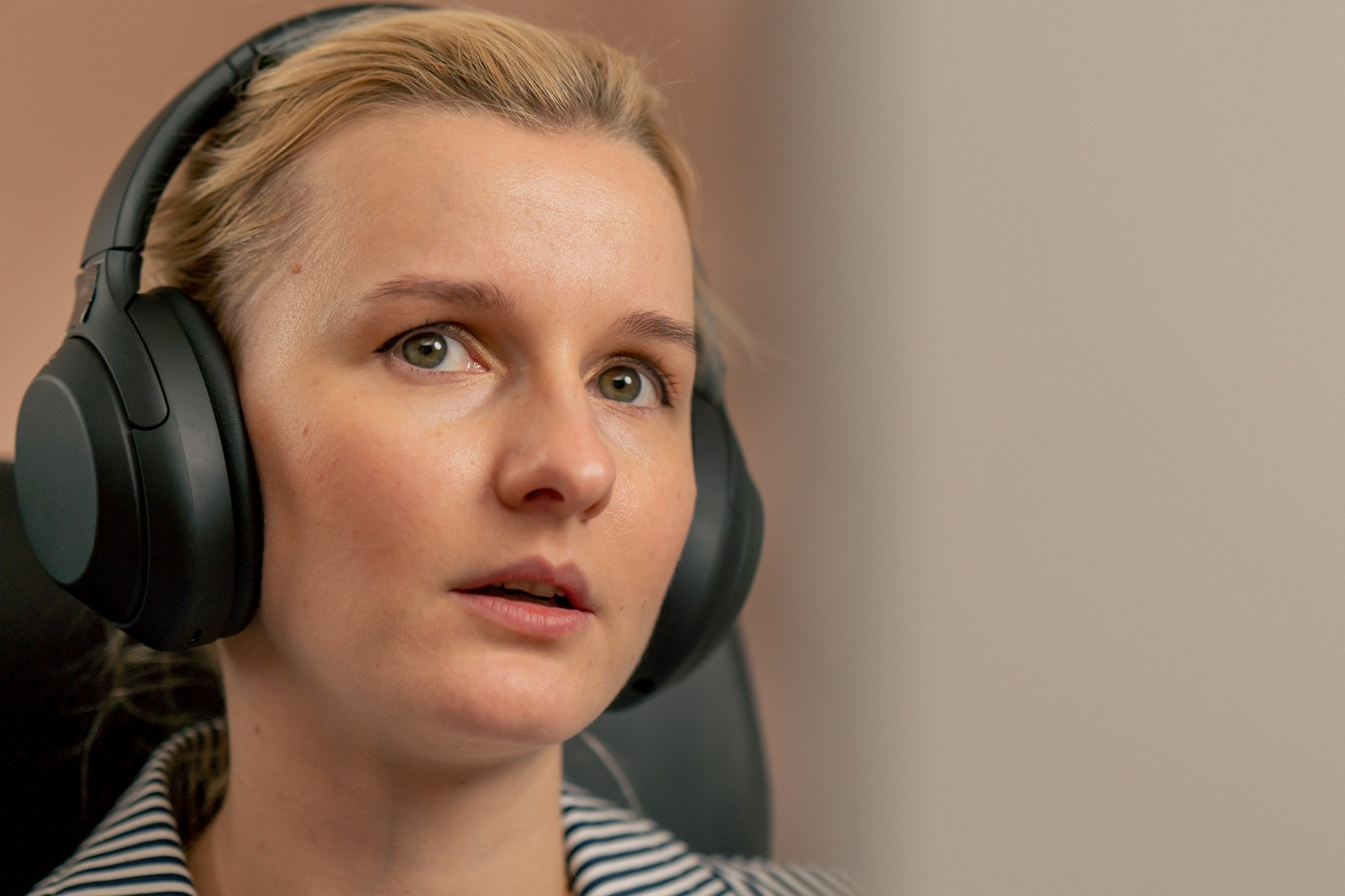
    Woman wearing headphones and using a laptop at home for an online EMDR session.

    Can EMDR Be Done Online?

    08 Sep 2026

    Yes. EMDR can be done online in more than one way. Traditional EMDR can be conducted remotely with a therapist through a video session instead of meeting in person. There are also self-guided online EMDR programs that allow you to work through a structured EMDR process independently. Virtual EMDR is

    Woman looking calmly ahead while practicing a grounding exercise during EMDR.

    Why Is Grounding Used in EMDR?

    08 Sep 2026

    Grounding is used in EMDR to help bring your attention back to the present moment. A grounding exercise might involve noticing your feet on the floor, looking at objects around you, paying attention to sounds, or focusing on your breathing. Grounding can be used before, during, or after EMDR wheneve

    Man relaxing on a sofa with headphones and a laptop during a calm at-home EMDR exercise.

    What Is a Safe Place Exercise in EMDR?

    08 Sep 2026

    A Safe Place exercise in EMDR is a simple exercise where you bring to mind a real or imagined place that helps you feel calm, comfortable, or peaceful. You focus on details of the place—such as what you see, hear, or feel—to strengthen your connection with that sense of calm. It is commo

    Woman wearing headphones and using a laptop at home for an online EMDR session.

    What Do You Need for an At-Home EMDR Session?

    07 Sep 2026

    You don't need much to do EMDR at home. For an online or self-guided session, the basics are a computer or tablet, a reliable internet connection, and a comfortable place where you can focus without too many interruptions. Depending on the type of bilateral stimulation you're using, headphon

    Woman wearing headphones and using a laptop while practicing EMDR resourcing techniques at home

    What Is Resourcing in EMDR?

    07 Sep 2026

    Resourcing in EMDR means identifying and practicing things that help you feel calm, steady, supported, or confident. Resources can include a calming image, a positive memory, a supportive person, slow breathing, grounding exercises, or reminders of your own strengths. Resourcing is commonly used dur

    Woman looking thoughtful while reflecting on a belief during an EMDR session

    What Is the VOC Scale in EMDR?

    07 Sep 2026

    The VOC scale in EMDR is a 1-to-7 rating that describes how true a positive belief feels to you when you think about a particular memory or experience. VOC stands for Validity of Cognition. A rating of 1 means the belief feels completely false, while 7 means it feels completely true. EMDR may check

    Woman wearing headphones during a self-guided EMDR session at home using a laptop

    What Is the SUD Scale in EMDR?

    07 Sep 2026

      The SUD scale in EMDR is a simple 0-to-10 rating used to describe how disturbing a memory, thought, image, or other focus feels to you right now. SUD stands for Subjective Units of Disturbance. A rating of 0 means no disturbance or neutral, while 10 means the highest level of disturban

    Woman wearing headphones and using a laptop during an at-home EMDR session

    What Are the Most Common EMDR Reactions?

    01 Sep 2026

    People respond to EMDR in different ways. During a session, common reactions can include noticing emotions, thoughts, memories, images, or physical sensations connected to what you're working on. Afterward, some people feel calm or lighter, while others may feel mildly tired, reflective, or noti

    Woman looking thoughtfully out a window after an EMDR session

    How Long Do EMDR Side Effects Last?

    01 Sep 2026

    What people sometimes call EMDR “side effects” are usually temporary after-session reactions. Mild tiredness, emotional sensitivity, vivid dreams, or thoughts about what you worked on may pass fairly quickly or settle later the same day. Some people notice mild effects into the next day,

    Woman lying on a sofa with her hand on her forehead, appearing tired or overwhelmed the day after an EMDR session.

    Can EMDR Make You Feel Worse the Next Day?

    01 Sep 2026

    Some people may feel a little worse after EMDR, including occasionally the next day, but many people do not. If it happens, the change is usually mild and temporary. You might feel more tired than usual, notice an emotion more strongly, or find that thoughts or memories connected to the session are

    Woman stretching in bed after waking up, representing vivid dreams after an EMDR session.

    Can EMDR Cause Vivid Dreams?

    01 Sep 2026

    Some people notice vivid, unusual, or memorable dreams after EMDR, but vivid dreams are not an established common side effect, and research does not tell us how often they occur. EMDR guidance does recognize that dreams, memories, thoughts, and feelings may sometimes arise between sessions as proces

    Woman standing beside a bright window and looking outside thoughtfully after an EMDR session.

    Can EMDR Make You Temporarily More Sensitive to Noise, Light, or Crowds?

    01 Sep 2026

    Possibly, but increased sensitivity to noise, light, or crowds is not a well-established or commonly documented side effect of EMDR, and research does not tell us how often it happens. If you notice this after a session, it may be related to feeling temporarily more alert or emotionally activated, b

    Woman with gray hair sitting quietly with her eyes closed after an EMDR session

    Why Can Triggers Feel More Noticeable After EMDR?

    01 Sep 2026

    Some people notice that certain triggers stand out more clearly after an EMDR session, although this does not happen to everyone and there is no clear percentage showing how often it occurs. EMDR can bring attention to connections between a distressing memory and present-day thoughts, feelings, body

    Woman wearing headphones while using a laptop for a self-guided EMDR session at home.

    What If EMDR Doesn't Work?

    31 Aug 2026

    If EMDR doesn't seem to be working, it doesn't necessarily mean that EMDR cannot help you. Sometimes progress is gradual, the memory or issue you're focusing on may not be the most useful place to start, or you may need to adjust how you're approaching your sessions. It is also possi

    Young woman sitting curled up on a sofa, looking thoughtful in a quiet home setting.

    Can EMDR Fail?

    31 Aug 2026

    EMDR does not work the same way for everyone, and no therapy or self-guided approach can guarantee a particular result. Sometimes a session may feel productive, while another may seem to change very little. That does not necessarily mean EMDR has failed. Progress can take time, different memories or

    Woman sitting at a desk in an office, looking at her phone beside a computer while appearing slightly distracted.

    Can EMDR Affect Concentration the Next Day?

    29 Aug 2026

    Some people may notice that their concentration feels a little different after EMDR, including occasionally the next day. This is not something everyone experiences, and when it does happen, it is usually mild and temporary. You might feel slightly distracted, need a little longer to focus, or simpl

    Woman sitting on a couch with headphones around her neck, looking thoughtfully at a laptop after an EMDR session.

    Can EMDR Cause Delayed Reactions After a Session?

    29 Aug 2026

    Yes. Some people notice thoughts, emotions, memories, dreams, or mild tiredness later after an EMDR session rather than immediately. Not everyone experiences delayed reactions, and when they do happen, they are often temporary. A delayed reaction does not automatically mean anything went wrong.

    Woman reflecting on what to focus on during an EMDR session

    How to Choose What to Focus on During EMDR

    27 Aug 2026

    Choosing what to focus on during EMDR involves identifying a specific memory, current trigger, thought, feeling, body sensation, or future concern you want to work on. In EMDR, this starting point is often called a target. You do not need a complete or vivid memory to begin, and your focus can chang

    Laptop, headphones, and notebook arranged on a desk for an at-home session

    How Many EMDR Sessions Do You Need?

    27 Aug 2026

    There is no single number of EMDR sessions that everyone needs. Some people work on a specific concern over a smaller number of sessions, while others use EMDR over a longer period or for several different concerns. How many sessions someone uses can depend on what they're working on, their goal

    Person wearing headphones during a quiet, focused moment

    How Long Does EMDR Take to Work?

    27 Aug 2026

    The time it takes for EMDR to work varies from person to person. Some people notice changes after a few sessions, while others take longer. The timeline can depend on what you're working on, your goals, and how often you choose to do sessions.

    Use the optimized KB13 image we just created

    What Happens During an EMDR Session?

    27 Aug 2026

    During an EMDR session, you briefly focus on a specific memory, thought, feeling, or body sensation while following bilateral stimulation, such as guided eye movements, alternating sounds, or taps. You remain fully awake, conscious, and in control throughout the process, and can pause or step away w


    Man using a laptop during a self-guided EMDR session

    Is EMDR Safe?

    27 Aug 2026

    EMDR is widely recognized as a safe, non-invasive treatment. You remain awake and aware throughout the process and can pause or stop whenever needed. While focusing on distressing memories may bring up uncomfortable thoughts or feelings, you remain in control throughout the session.

    Man smiling calmly while reflecting on his experience

    What Does EMDR Feel Like?

    27 Aug 2026

    People experience EMDR in different ways. During a session, you may notice changes in thoughts, emotions, memories, or physical sensations while following bilateral stimulation. Some changes may be noticeable while others may be subtle, and you remain awake, aware, and in control throughout the proc

    Woman standing outdoors with a calm and confident expression

    Is EMDR Effective?

    27 Aug 2026

    EMDR is an evidence-based treatment with particularly strong research support for PTSD and trauma-related symptoms. Studies have found that EMDR can produce outcomes comparable to trauma-focused CBT, and major health organizations recognize it as an effective treatment.

    Woman using her phone during a self-guided EMDR session

    How Does EMDR Work?

    27 Aug 2026

    EMDR combines bilateral stimulation, such as guided eye movements, with focused attention on a distressing memory. This structured process is designed to help memories feel less vivid or emotionally intense over time. EMDR has a substantial evidence base, particularly for PTSD, while researchers con

    Person smiling outdoors while feeling calm and relaxed

    What Is EMDR?

    27 Aug 2026

    EMDR (Eye Movement Desensitization and Reprocessing) is a structured therapy that uses bilateral stimulation and focused attention to help people process distressing memories. It is an evidence-based treatment most strongly established for PTSD and is also used for other conditions.

    Woman sitting at home reflecting on her emotions

    Why Do Some People Cry During EMDR?

    27 Aug 2026

    Some people cry during EMDR, while many others do not. Crying can be a normal emotional response during a session, but it is not required for EMDR to be meaningful or effective. Whether you cry or not, neither response means anything is wrong.

    Woman completing a self-guided EMDR session at home

    Can You Do EMDR Every Day?

    26 Aug 2026

    For most people, doing EMDR every day isn't necessary, and spacing sessions out is more typical. Daily sessions may work for some people, but doing EMDR more often doesn't necessarily lead to faster progress. The goal is to choose a schedule that feels comfortable and manageable for you.

    Woman taking time to relax between EMDR sessions

    How Long Should You Wait Between EMDR Sessions?
    26 Aug 2026

    There's no single waiting period that is right for everyone between EMDR sessions.

    Woman taking a pause during a self-guided EMDR session

    Can You Do EMDR Twice in One Day?

    26 Aug 2026

    For most people, one EMDR session is enough for the day. While a second session is possible if you genuinely feel ready, doing more EMDR does not necessarily lead to faster progress. Giving yourself time between sessions and working at a comfortable pace can be an important part of the process.

    Person sitting quietly during an EMDR session

    Can EMDR Cause Headaches?

    26 Aug 2026

    Most people do not experience headaches during EMDR, but a small number may notice a mild, temporary headache during or shortly after a session. Researchers have not established a specific cause, though concentration, muscle tension, or eye strain may contribute.

    Man sitting quietly during an EMDR session

    Is Yawning Normal During EMDR?

    26 Aug 2026

    Yawning can happen during EMDR for ordinary reasons such as tiredness, concentration, or relaxation. Researchers have not established a specific connection between yawning and EMDR, and yawning alone is not a reliable indicator of whether EMDR is working.

    Woman sitting quietly and looking thoughtful

    Can EMDR Make You Tired?

    26 Aug 2026

      Yes, some people feel a little tired after an EMDR session. The tiredness is usually mild and passes fairly quickly. Other people feel calm, energized, or no different afterward, and all of these reactions can be normal.

    Woman wearing headphones and using a smartphone while relaxing on a couch

    Is Self-Guided EMDR Safe?

    26 Aug 2026

    Yes. Self-guided EMDR allows you to work through a structured EMDR process independently while remaining in control of what you work on, how quickly you proceed, and when you pause or stop. A structured program such as Virtual EMDR follows established EMDR protocols while adapting the process for se

    Woman sitting at a table looking thoughtful while recalling a memory

    Can EMDR Bring Up Forgotten Memories?

    26 Aug 2026

      Sometimes a memory or detail you have not thought about in a long time may come to mind during EMDR. That does not necessarily mean EMDR has uncovered a hidden or “repressed” memory. Memories can come to mind when something reminds us of them, and EMDR involves intentionall

    Woman sitting thoughtfully by a window, reflecting on emotions that may arise during EMDR.

    Can EMDR Make You Emotional?

    26 Aug 2026

    Yes, EMDR can sometimes bring up emotions during a session, especially when you are focusing on a memory or experience that already has feelings connected to it. You might notice sadness, frustration, relief, anger, or another emotion, while at other times you may notice very little. Becoming emotio

    Man writing notes at a desk after an EMDR session

    What Should You Do After EMDR?

    23 Aug 2026

    After an EMDR session, you usually don't need to do anything special. You can continue with your day, take a short break if you feel like it, and simply notice how you feel. Some people prefer a little quiet time afterward, while others feel ready to return to their normal activities right away.

    Woman taking a break while using a laptop during an EMDR session

    Can You Stop an EMDR Session?

    23 Aug 2026

    Yes. You can stop an EMDR session whenever you want. You do not have to finish a session simply because you started it. With self-guided EMDR, you control the pace, so you can pause, stop for the day, or return to the session another time.  

    Woman wearing headphones during an EMDR session

    When Should You Avoid EMDR?

    23 Aug 2026

    Most people do not need to avoid EMDR. With self-guided EMDR, the more useful question is whether you feel ready and able to focus on a session right now. It makes sense to wait if you are in an immediate mental health crisis, are under the influence of alcohol or recreational drugs, are having sign

    How To Do Remote EMDR From Your Home

    08 Feb 2024

    Discover how EMDR therapy adapts to remote settings. Learn about Virtual EMDR, its effectiveness, and essential tools for conducting EMDR at home.

    Accelerated Resolution Therapy (ART) vs. EMDR

    30 Jan 2024

    The differences between Accelerated Resolution Therapy (ART) and Eye Movement Desensitization and Reprocessing (EMDR)

    How Do I Know if My EMDR Session Was Successful? (How Should You Feel Afterwards)

    04 Apr 2023

    So how do you know if your EMDR therapy session was successful? And when it’s done, how should you be feeling? What kind of emotions will you have?

    How to Do EMDR Sessions Specifically Focused on Childhood Trauma.

    20 Jan 2023

    At Virtual EMDR, we get a lot of emails from our clients, and we are always grateful for their input. One of the questions we get asked a lot is, "How do I use EMDR to work specifically on my Childhood trauma issues?"  

    Virtual EMDR Announces Partnership With the Elite Navy Seal Future Foundation

    01 Sep 2022

    Virtual EMDR Eye Movement Therapy, an online, self-guided trauma therapy program that provides thousands of EMDR sessions each month to clients world-wide, is teaming up with the SEAL Future Foundation.

    The Lifelong Effects of Bullying

    20 Oct 2021

    Victims of bullying often suffer from PTSD that last throughout their lives. See how Virtual EMDR can help you find peace.

    Depression Is More Than Just Sadness

    24 Sep 2021

    Depression is very common but serious medical condition which affects millions of people. Are you depressed ... or just going through a sad time in your life? Take this test and find out.

    Overcoming Adverse Childhood Experiences

    02 Aug 2021

    Do you find that your traumatic childhood events or ACEs keep coming back to haunt you? Try Virtual EMDR today to see how we can help you face your trauma.

    Your Childhood Trauma Is Not Your Fault

    05 Jul 2021

    As children, we lean heavily on the people around us to provide us with our basic needs; this includes the validation of our feelings. See how Virtual EMDR can help you reprocess your emotions.

    How Your Childhood Trauma May Be Affecting Your Life as an Adult

    21 Jun 2021

    The lingering effects of your unresolved childhood trauma could be holding you back from your full potential. Try Virtual EMDR today to see how you can gain back control over your past.

    Recognizing the Relationship Between Physical and Mental Health

    07 Jun 2021

    Struggling to maintain good mental and physical health? See how Virtual EMDR can help you to align your mental and physical wellness goals.

    Self-Care Tips to Cope With Anxiety and Depression

    24 May 2021

    Have you or a loved one been struggling with anxiety or depression? Try these self-care tips that can help you to feel better, and learn how a revolutionary new treatment called EMDR can help.

    Can EMDR Help You Overcome Your Fear of Public Speaking?

    14 May 2021

    Even people who are otherwise confident and competent are not immune from experiencing paralyzing fear, nightmares, anxiety, sweaty palms, and racing hearts. By some estimates, one in four people suffer from fear of public speaking.

    How Should I Feel After My EMDR Session?

    29 Apr 2021

    Calm, Peace, Rage, Tears...What emotions are you likely to feel after doing an EMDR session? Here are the most common emotional responses you may experience.

    Aftermath: Coping With Trauma and Grief After a Mass Shooting

    15 Apr 2021

    Mass shootings leave in their wake tremendous emotional and mental aftermath for survivors, families and communities. How can communities and individuals heal from the trauma and grief?

    Empowering Beliefs in the Time of COVID-19

    09 Apr 2020

    What would you give to go back to your life as it was before Covid-19, just mere months ago? If you find yourself experiencing symptoms of depression, anxiety, fear, or stress, learn how you can use the Virtual EMDR program to change your current thoughts to empowering beliefs.

    What Is the Very Worst Symptom of PTSD?

    03 Jul 2019

    We asked the people who used the Virtual EMDR PTSD and Trauma Programs to complete a survey ranking their #1 worst PTSD symptom. Here is what they had to say.

    Case Study of PTSD, Negative Emotions, and Trauma

    22 Apr 2019

    Sarah from Atlanta GA recently contacted Virtual EMDR  to thank us for helping her address her feelings of anxiety, sadness and fears. She "feels in a really good place now". 

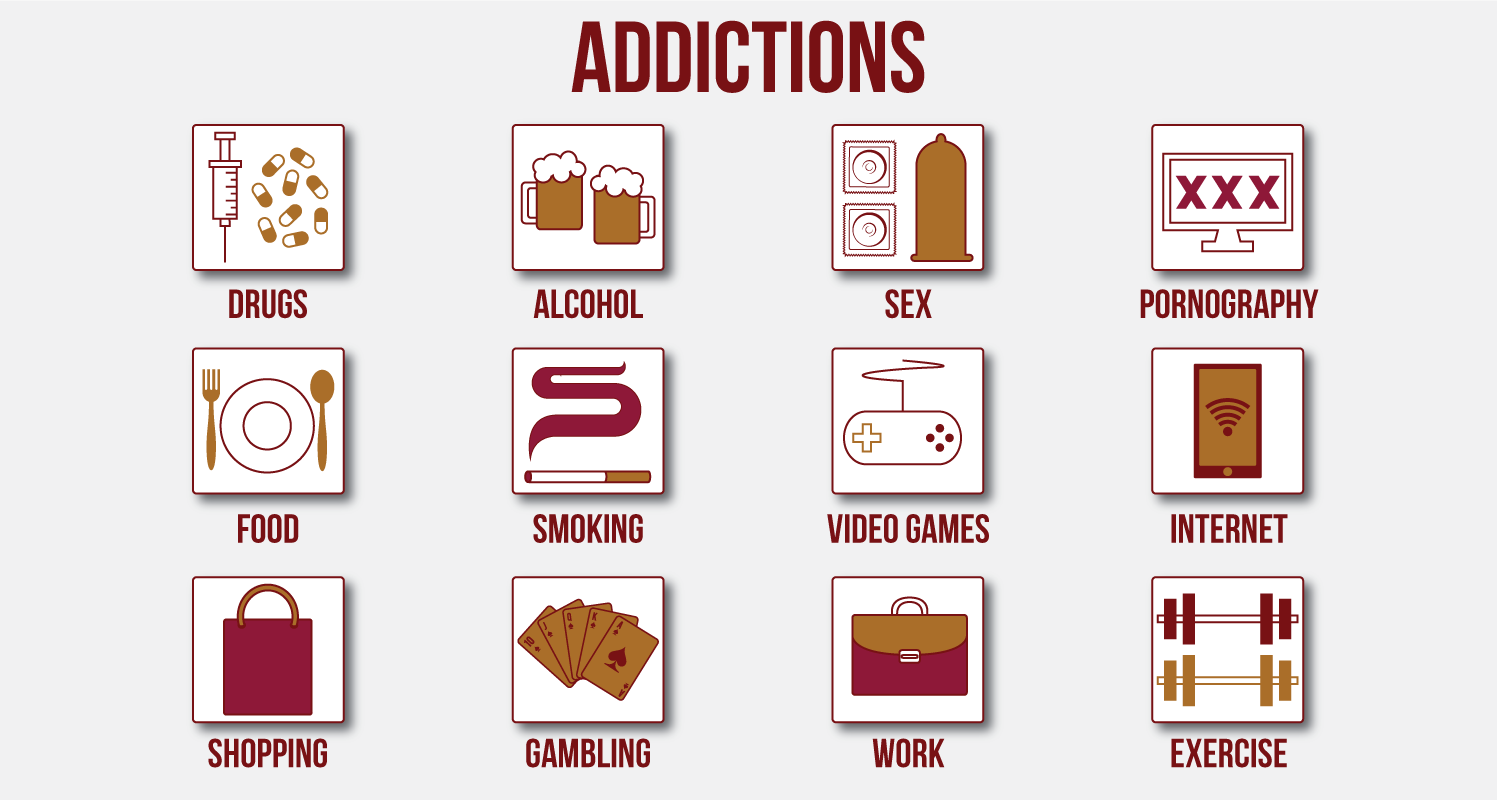
    What Type of Addiction Do You Have?

    21 Feb 2019

    Are you addicted to nicotine, alcohol or drugs? Or to "process addictions" such as shopping, gambling, work, exercise, sex, love and relationships, technology, and online gaming? 

    Depression and Sadness Aren’t the Same Thing

    12 Feb 2019

    Depression is very common but serious medical condition which affects millions of people. Are you depressed ... or just going through a sad time in your life? Take this test and find out.

    The Link Between Panic, Anxiety, Isolation, and Agoraphobia

    07 Feb 2019

    Agoraphobia is a common type of anxiety disorder in which you fear and avoid places or situations that might cause you to panic and make you feel trapped, helpless or embarrassed. 

    Do You Have Hidden Social Anxiety? It’s More Common Than You Think

    30 Jan 2019

    It is normal to feel a bit anxious before social situations . However, if all social situations make you feel very afraid and anxious causing a worse result, then you may experience social anxiety.

    How EMDR Therapy Helped Me Swim With Great White Sharks

    24 Aug 2018

    Throughout my adult life, I was absolutely terrified of flying. But EMDR helped me get past my fears and allowed me to lead a richer life, with amazing adventures I could not have imagined.

    University Study: EMDR Therapy Key to Addiction Sobriety

    20 Jun 2018

    A recent scientific study reported that alcohol-addicted patients who received EMDR treatment had higher levels of sobriety six months out than those who did not.

    Deepak Chopra Lists 4 Life-Limiting Questions to Stop Asking Yourself

    30 May 2018

    Personal growth guru Deepak Chopra explains how constantly asking yourself these 4 negative questions may be responsible for draining the joy out of your daily life.

    10 Ways to Be Happier and Live a Better Life

    13 Nov 2017

    Happiness is how we feel about the day-to-day things, such as feeling connected with those close to you. Here are 10 tips from Eckhardt Tolle for experiencing genuine happiness.

    3 Short Self-Tests on Depression, Anxiety, PTSD

    18 Oct 2017

    Are you depressed? Do you have chronic anxiety? Suffer from PTSD? These three 1-minute  self-tests on Depression, Anxiety and PTSD can tell you if you do.

    What to Do if You Have Been Affected by a Mass Shooting

    04 Oct 2017

     What post-traumatic symptoms can you expect to experience if you have been involved in a trauma, such as a mass shooting? What can you do to help someone suffering from PTSD?  

    Feeling Stuck? Make a Mental Health Action Plan

    18 Sep 2017

    If you’re struggling with depression, addiction, PTSD, or other mental health conditions, creating your "Mental Health Action Plan" can help you get well and start living life again.

    Why Trigger Warnings Are Not Helping

    17 Aug 2017

    Trigger Warning! If you are in online groups, you will notice the growing number of people using Trigger Warnings before posting content. Here is why this is a problem.

    Is Virtual EMDR Therapy Effective? Here’s What Our Customers Say

    10 Aug 2017

    Here are some of the kind reviews, recommendations, and testimonials we have been receiving from people using Virtual EMDR's self-guided eye movement therapy program.  

    Negative and Positive Self-Beliefs: A Useful List

    06 Aug 2017

    Which common negative and positive self-beliefs do you hold about yourself? Use these two lists to identify some beliefs that you can apply during your Virtual EMDR session.

    What Do Iron Man and EMDR Therapy Have in Common?

    03 Jul 2017

    Super-hero Iron Man uses brain-modification holo-simulation technology to deal with his past-life traumas, which is similar to what EMDR therapy does.

    Do You Have These Hidden Symptoms of Trauma and PTSD?

    03 Jun 2017

    Do you have symptoms of PTSD and Trauma that you are unaware of? Before you can take action to get well, find out if you have a problem using this short self-assessment test. ​

    What’s Next for Survivors of the Manchester Bombing?

    24 May 2017

    For the survivors of terrorist attacks, such as the Manchester bombing, what post-traumatic symptoms can you expect to experience? How can you help someone who has been affected?

    Seeking Volunteers for Our Trauma Treatment Study

    06 May 2017

    Virtual EMDR is conducting a new study on the effectiveness of at-home, self-administered EMDR Therapy on people who are struggling with single-incident traumas. Are you interested?  

    Spiritual Abuse: It’s Probably Not What You Think

    02 Apr 2017

    Apart from childhood sex abuse, physical abuse and emotional abuse, co-dependence expert and author Pia Mellody says "spiritual abuse" is often overlooked. So what is spiritual abuse?  

    How Good Is Your Emotional Control?

    19 Mar 2017

    Take this quiz created by self-help guru Deepak Chopra to understand if you are trying to control your emotions in an unhealthy way, which may be affecting your mental health.

    Have You Been Exposed to These 10 Adverse Childhood Experiences?

    16 Feb 2017

    Take the Adverse Childhood Experiences (ACE) test to see if you have been exposed to 10 types of childhood trauma, which may result in health, social and behaviorial problems as an adult.

    What It Felt Like Using At-Home EMDR Therapy to Get Sober

    07 Feb 2017

    Shelly shares her inspirational story of using EMDR therapy (with therapists and through Virtual EMDR) to overcome her childhood trauma and addiction issues. 

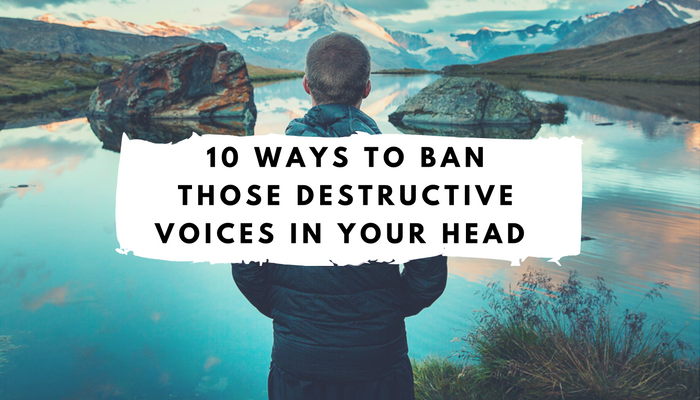
    10 Ways to Ban All Those Negative Voices in Your Head

    17 Jan 2017

    Everyone has a running inner dialogue going on in their head. Unfortunately that inner voice doesn't always have nice things to say. How can you shut it down and take back control?

    What Exactly Does It Feel Like to Do an EMDR Therapy Session?

    24 Dec 2016

    If you are new to Eye Movement Desensitization and Reprocessing (EMDR), it can sound intimidating. The reality is not as scary as you think. Here is what happens during a session.

    Before and after brain scan images show the transformative power of EMDR therapy

    25 Nov 2016

    With advanced new scanning techniques such as SPECT and fMRI, we can now see directly  how using EMDR over time effectively changes the functioning of the human brain.

    How to Get the Results You Want From Virtual EMDR

    10 Oct 2016

    Self-guided EMDR therapy such as Virtual EMDR can work for everyone, but here is the one thing you need to be prepared for when starting, in order to get the results you want.

    35 Life Changes That Can Happen After EMDR Sessions

    27 Sep 2016

    Many people who have gone through EMDR therapy have seen amazing changes in their lives. Here are 35 of the most common positive changes you may experience.      

    6 Things That Will Happen When You Treat Your Addiction With EMDR

    05 Jul 2016

    Our guest writer, Scott  from Chicago, shares his personal story of using EMDR (with therapists and Virtual EMDR) to treat his multiple addictions with drugs, alcohol, and sex.

    The Science Behind EMDR

    06 May 2016

    Here is what researchers know so far about how EMDR affects the human brain, using modern technologies such as SPECT and fMRI that can peer into the brain with new precision. 

    5 Minutes to Feel Better Fast Using EMDR-Inspired Techniques

    06 Feb 2016

    Feeling overwhelmed with powerful and difficult emotions, but short on time? Here are two quick EMDR techniques to stop your discomfort and get you back to feeling normal again.

    Previous Next
    We use cookies to give you the best online experience, keep the site secure, and improve your experience. Read our Terms of Service and Privacy Policy
    Footer-Logo
    Footer-Brand
    Enter your email to get updates, special offers, and a free EMDR E-Book
    Useful Links
    • Find a Therapist
    • EMDR Articles
    • EMDR Videos
    About the Program
    • Login
    • How Virtual EMDR Works
    • Pricing
    • Coaching
    • Results
    • FAQ
    Virtual EMDR for:
    • Therapists
    • Organizations
    • Gift Subscription
    • Become an Affiliate
    Corporate
    • About Us
    • Contact Us
    • Terms of Service
    • Privacy Policy
    About the Program
    Login How Virtual EMDR works Pricing Coaching Results FAQ
    Virtual EMDR for:
    Therapist Organizations Gift Subscription Become an Affiliate
    Corporate
    About Us Contact Us Terms of Service Privacy Policy

    © Virtual EMDRLLC

    Background-TV