Free Self Assessment
Virtual EMDR
Support for Stress
See How Virtual EMDR Can Support Your Recovery

What Is Stress?
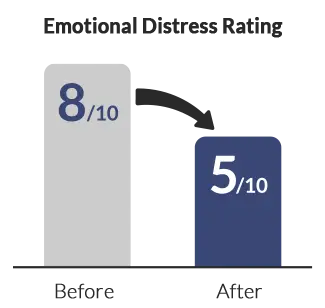
Data from 10,000 Virtual EMDR Sessions
Stress is your mind and body’s response to pressure, demands, or challenging situations. In short bursts, it can help you stay focused, react quickly, or get things done.
But when stress feels constant or overwhelming, it can start to affect your mood, sleep, concentration, and physical wellbeing. How stress shows up can vary from person to person.
Take Control
of Stress




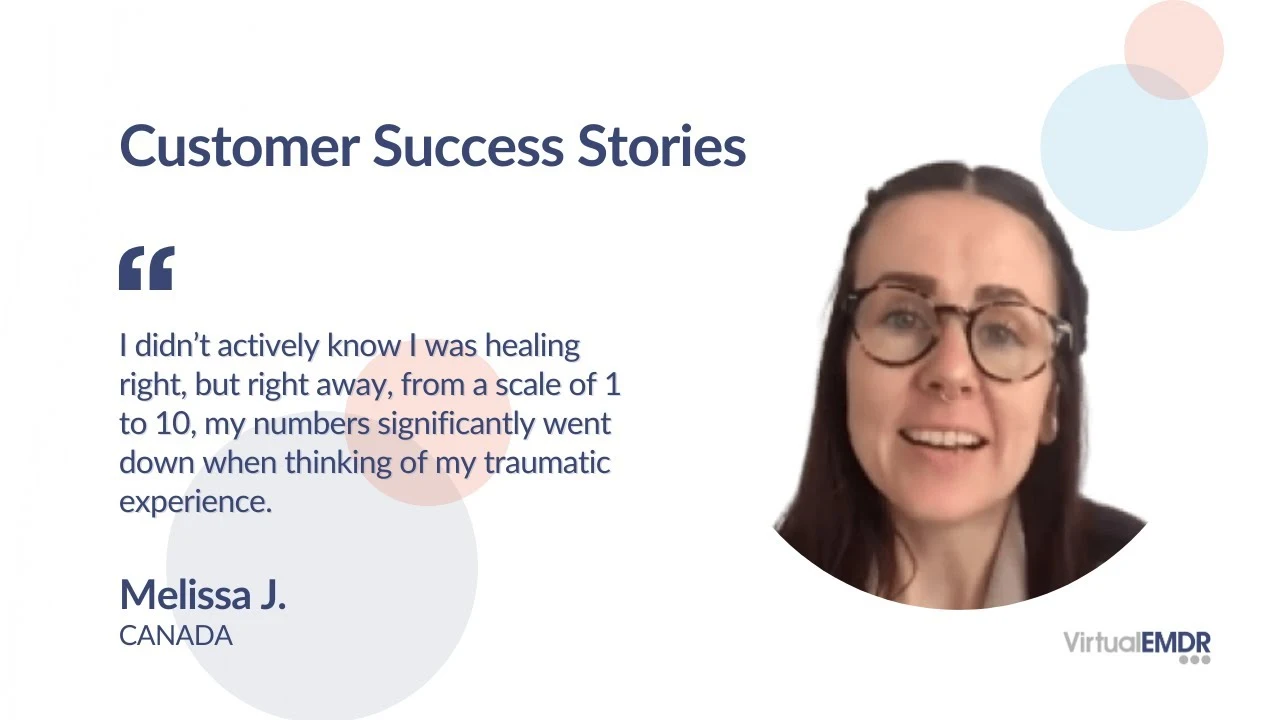
I was experiencing a recurrence of Stress, due to a recent natural disaster. Virtual EMDR helped me get over my Stress, with an affordable and flexible solution!. I could do sessions on demand when I needed, and the cost of the Virtual EMDR for one month was less than one session with a therapist!
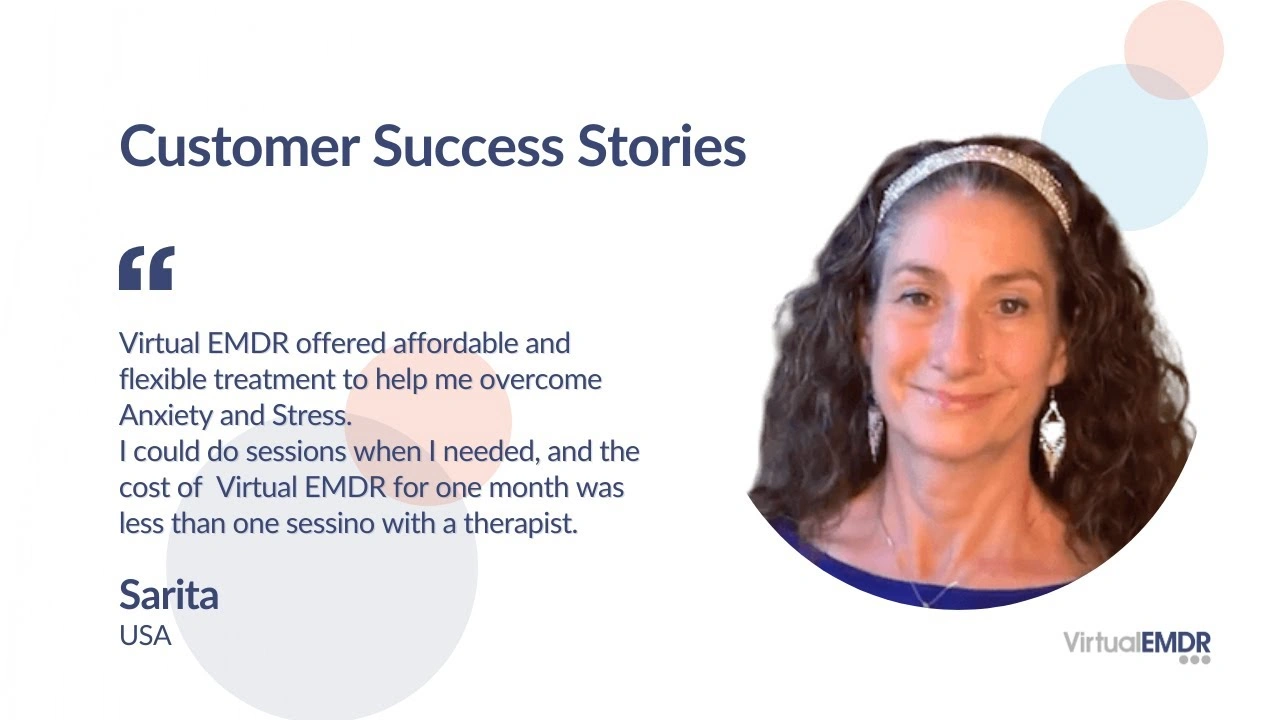
Sarita C.
USA
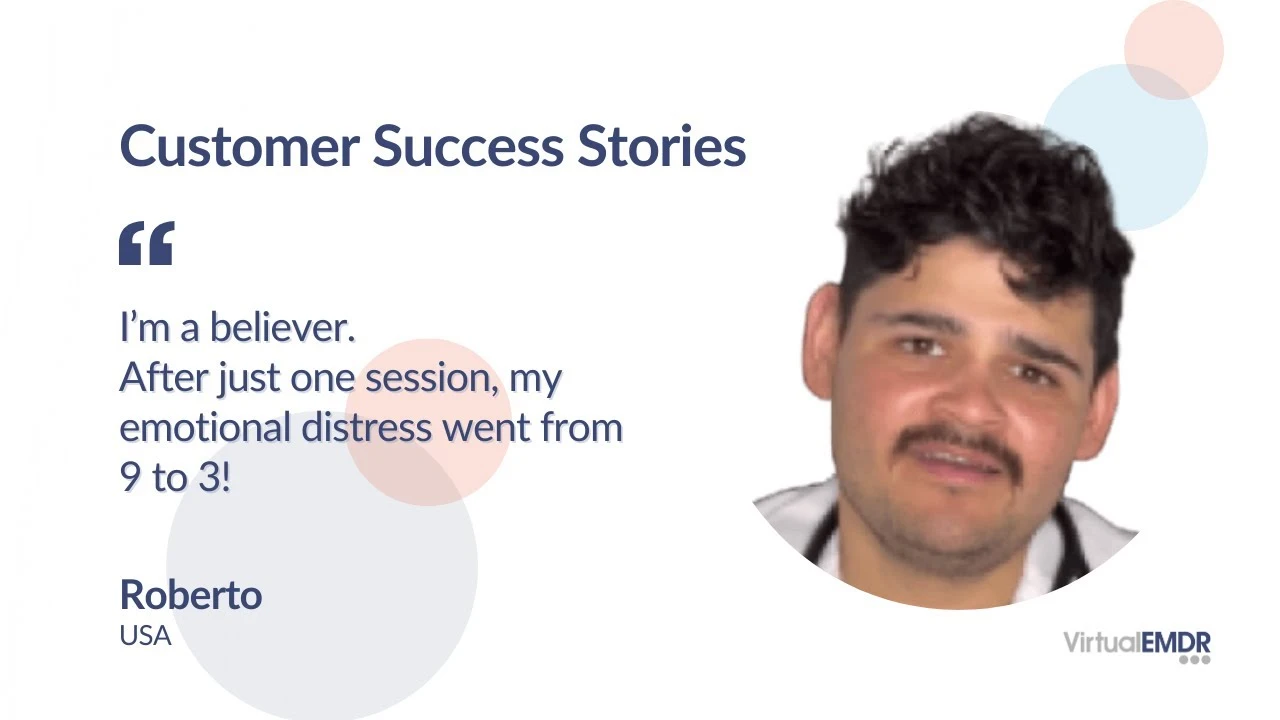

Roberto E.
USA
Melissa J.
USA
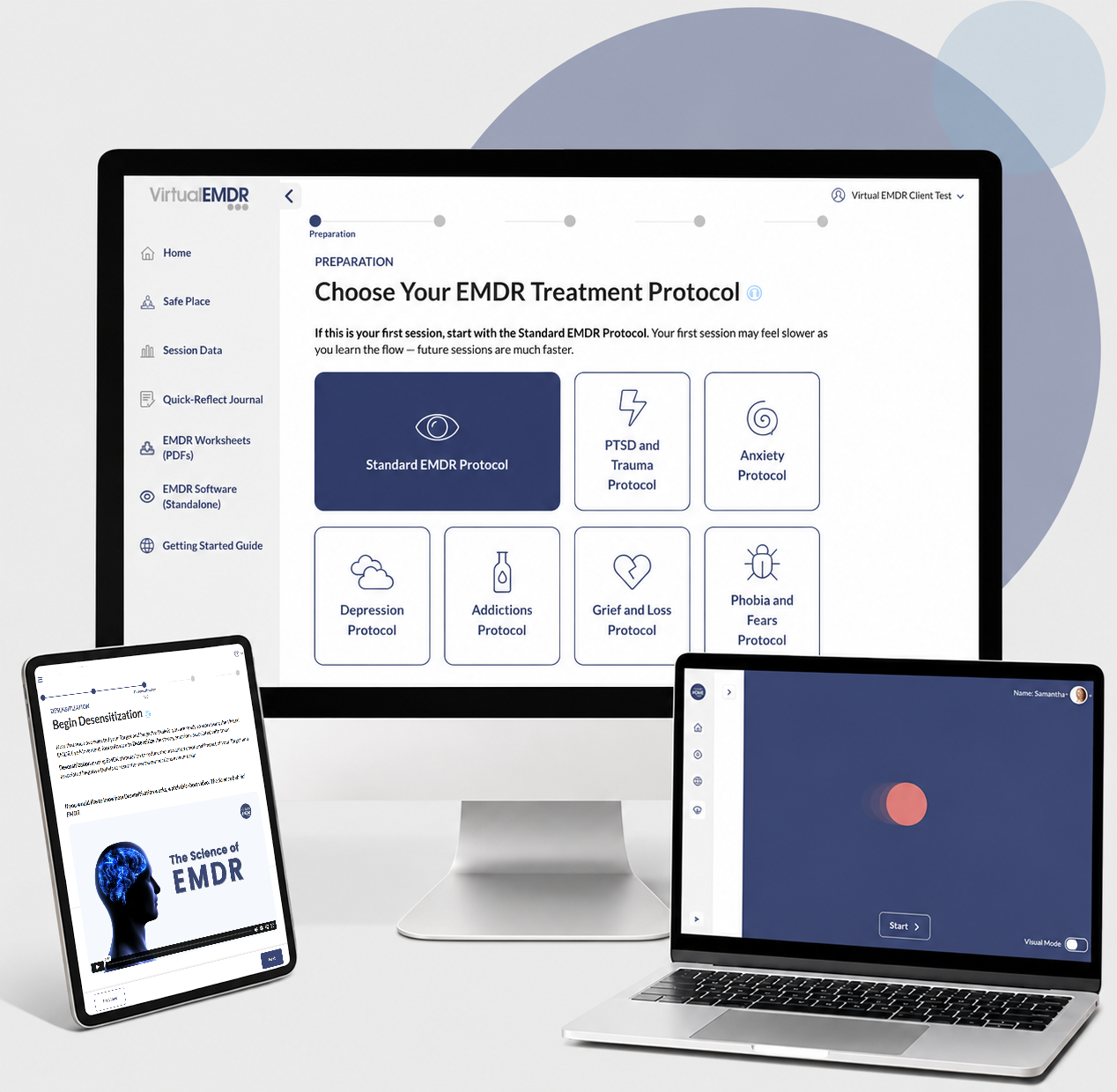
Select the Stress Protocol You Need
Virtual EMDR offers specialized Stress Protocols to help you work on:
Experiences and situations contributing to ongoing stress
Emotional triggers that create strong stress reactions
Negative thoughts and beliefs that intensify stress
Preparing for future situations you expect to be stressful
More Than Stress: Your subscription also includes unlimited access to EMDR protocols for
Anxiety, Trauma & PTSD, Grief & Loss, Phobias & Fears, and more.
# 1 ONLINE SELF-GUIDED EMDR PROGRAM
Let Virtual EMDR Help You
Overcome Stress
Simple, easy-to-use. Even if you have never done EMDR before.
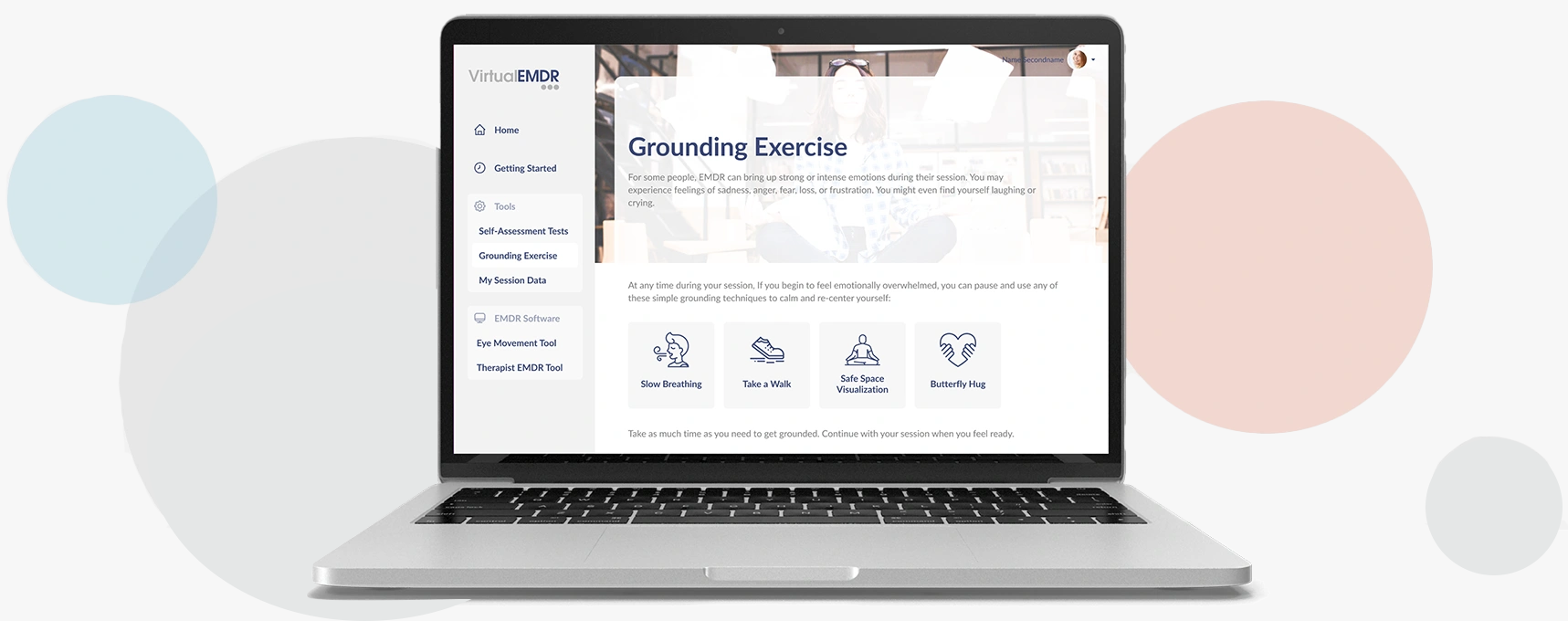
Check out why Virtual EMDR is uniquely designed for you:
Frequently Asked Questions
Can EMDR be used for stress?
Yes. EMDR can be used to work on experiences, emotional triggers, and negative beliefs that contribute to ongoing stress.
What kinds of stress can I work on with Virtual EMDR?
You can work on stressful experiences, situations that trigger strong reactions, recurring negative thoughts, and events that continue to feel emotionally charged.
Can Virtual EMDR help me prepare for future stressful situations?
Virtual EMDR includes protocols that allow you to work on future situations you expect may be stressful. This gives you a way to focus on the thoughts and emotional reactions connected to those situations before they happen.
Can I use Virtual EMDR alongside other ways of managing stress?
Yes. Virtual EMDR can be used alongside exercise, relaxation, mindfulness, therapy, or other strategies you already use for managing stress.
Start Working on What's Driving Your Stress
Work on experiences, triggers, and emotional reactions that may be contributing to your stress.

Ready to take the
Stress Test?
The Perceived Stress Scale (PSS) was developed in 1983 at Carnegie Mellon University.
It is the classic stress assessment tool used worldwide to measure a person's stress level.

It comprises 10 questions with 5 choices.
Estimated Time to complete: 5 minutes