Free Self Assessment
Virtual EMDR
Support for Self-Esteem
See How Virtual EMDR Can Support Your Recovery


What Is Self-Esteem?
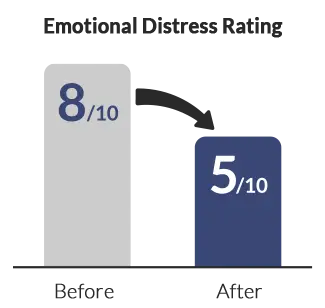
Data from 10,000 Virtual EMDR Sessions
Self-esteem is how you see and value yourself. It can shape your confidence, your relationships, and the way you respond to everyday challenges.
Low self-esteem can develop after criticism, rejection, bullying, difficult relationships, or other painful experiences. Over time, those experiences may become connected to negative beliefs about yourself that can be hard to change on your own.
Take Control
of Self-Esteem




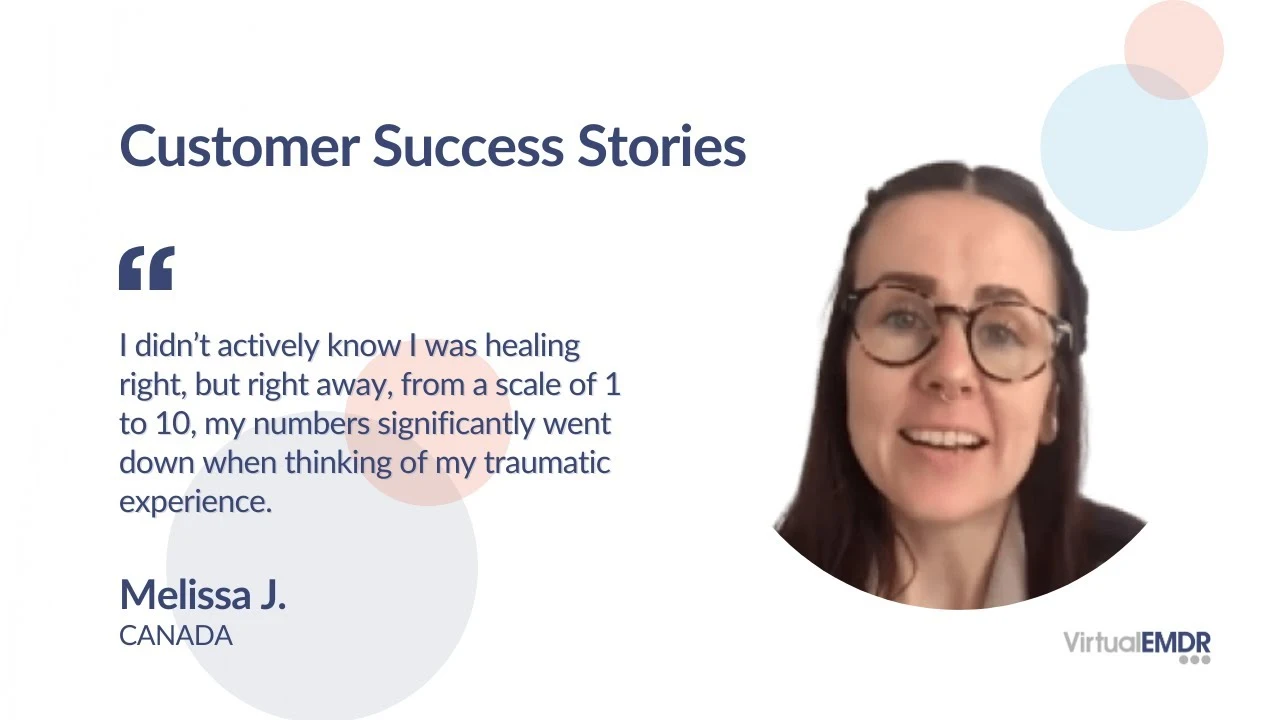
I used Virtual EMDR to get over trauma from an abusive relationship and losing my job. Virtual EMDR is so easy – and effective! Even though I didn’t understand what was happening, by just following this little dot on the screen, right away I felt an immediate sense of relief
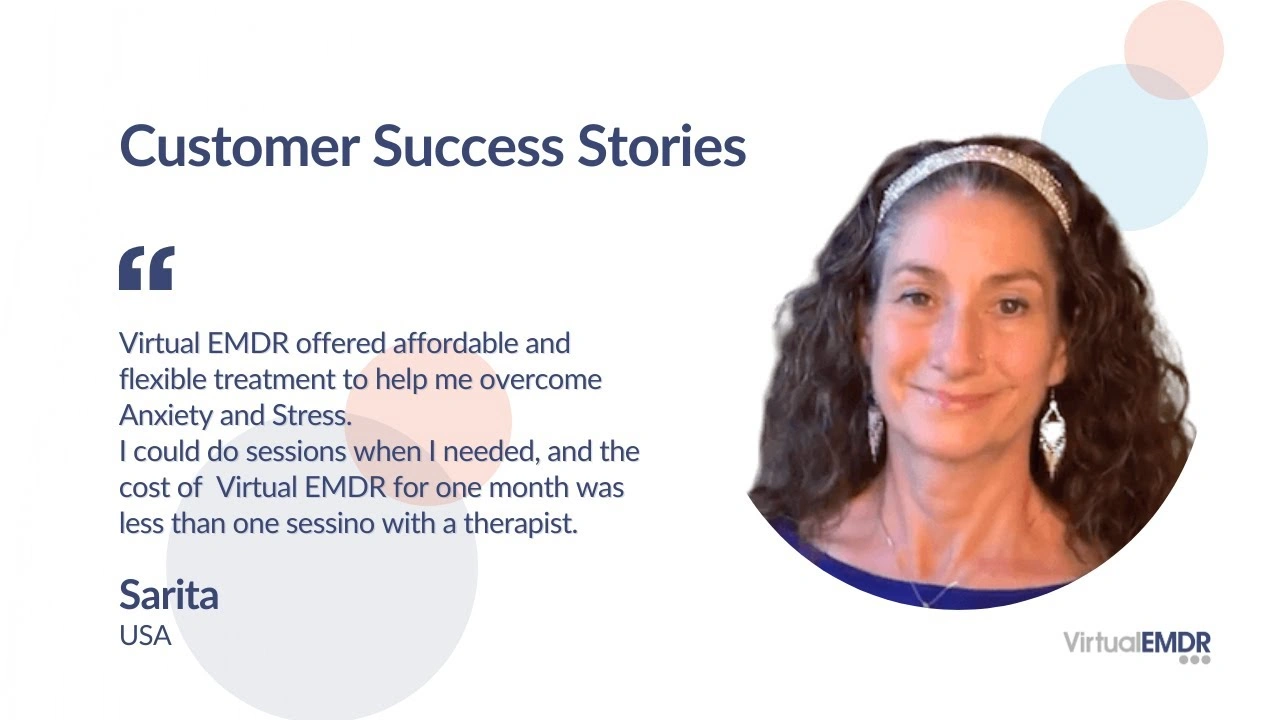
Sarita C.
USA
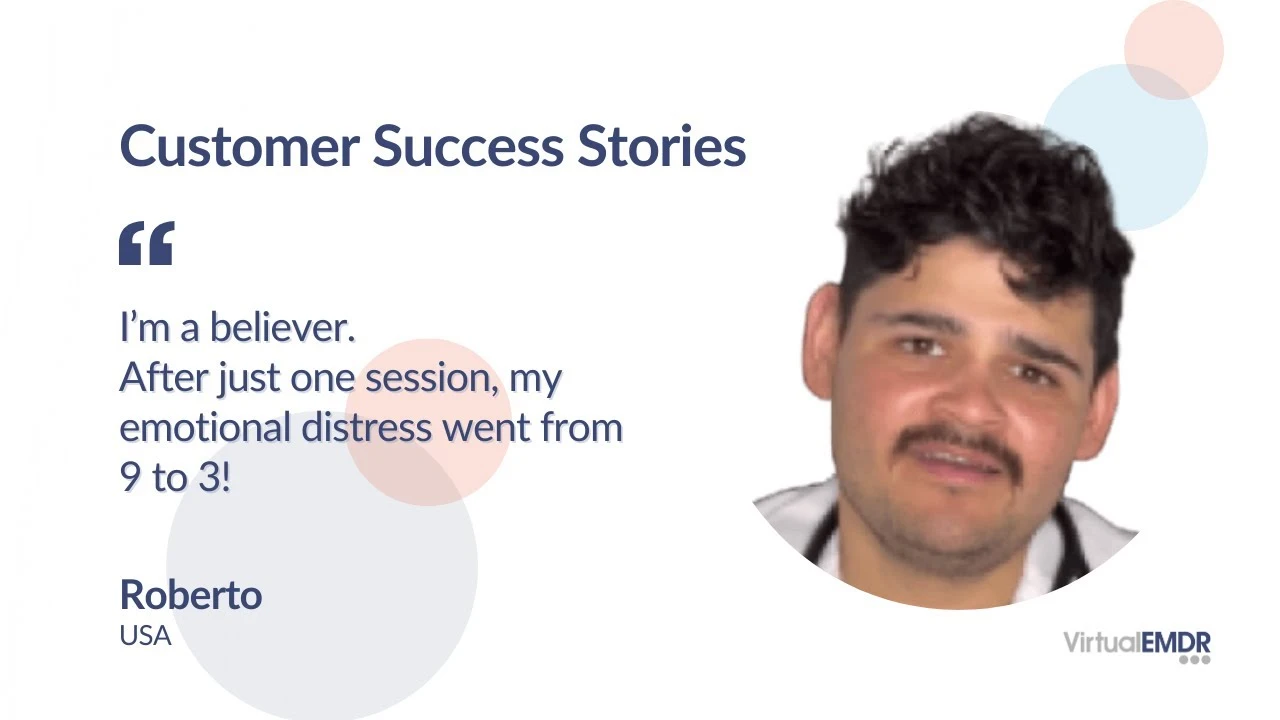

Roberto E.
USA
Melissa J.
USA
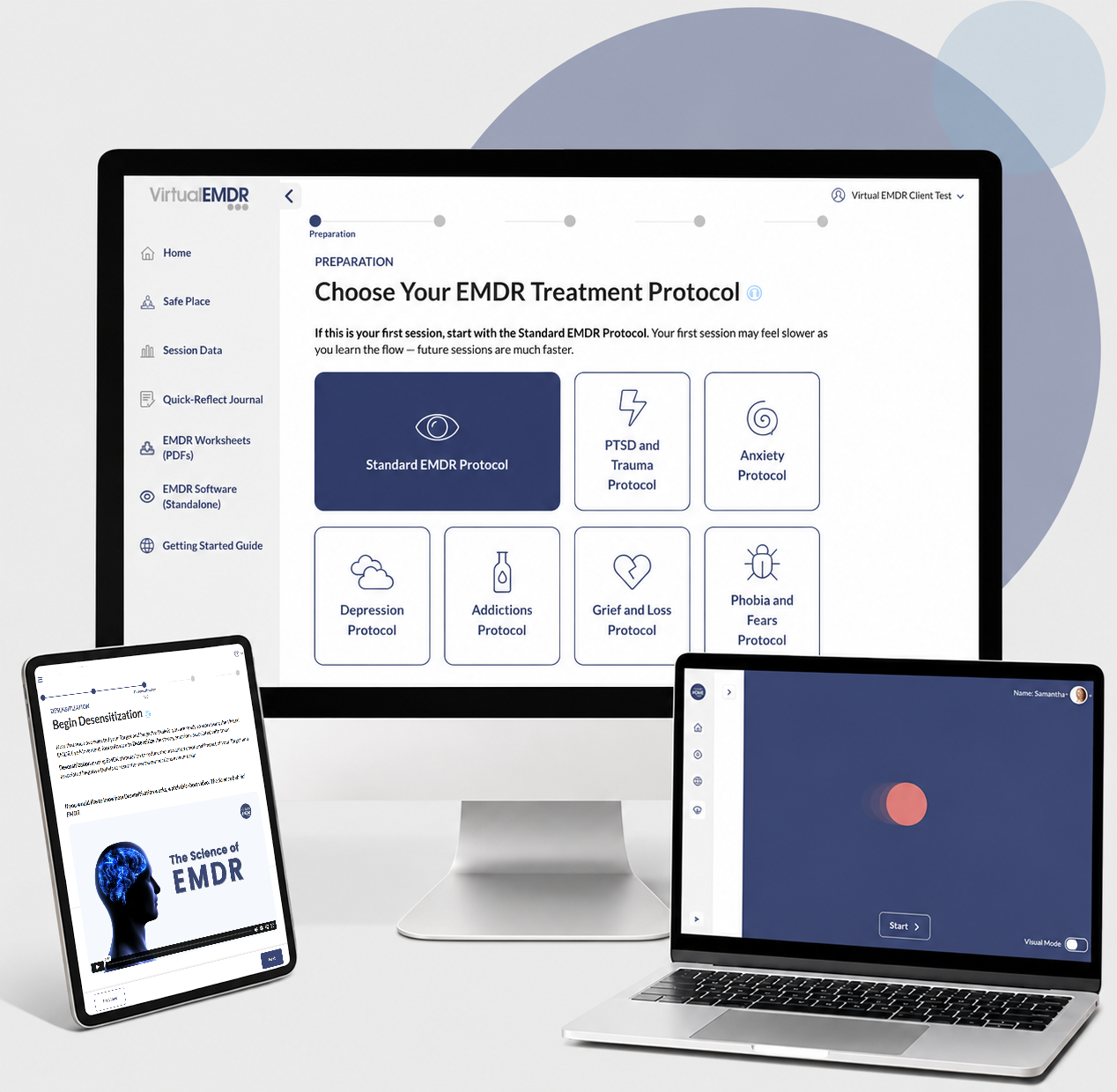
Select the Self-Esteem Protocol You Need
Virtual EMDR offers specialized Self-Esteem Protocols to help you work on:
Experiences that contributed to negative beliefs about yourself
Painful memories that affect how you see yourself today
Feelings of inadequacy, shame, or self-doubt
Building more positive and adaptive beliefs about yourself
More Than Self-Esteem: Your subscription also includes unlimited access to EMDR protocols for
Anxiety, Trauma & PTSD, Depression, Grief & Loss, and more.
# 1 ONLINE SELF-GUIDED EMDR PROGRAM
Let Virtual EMDR Help You
Overcome Low Self-Esteem
Simple, easy-to-use. Even if you have never done EMDR before.
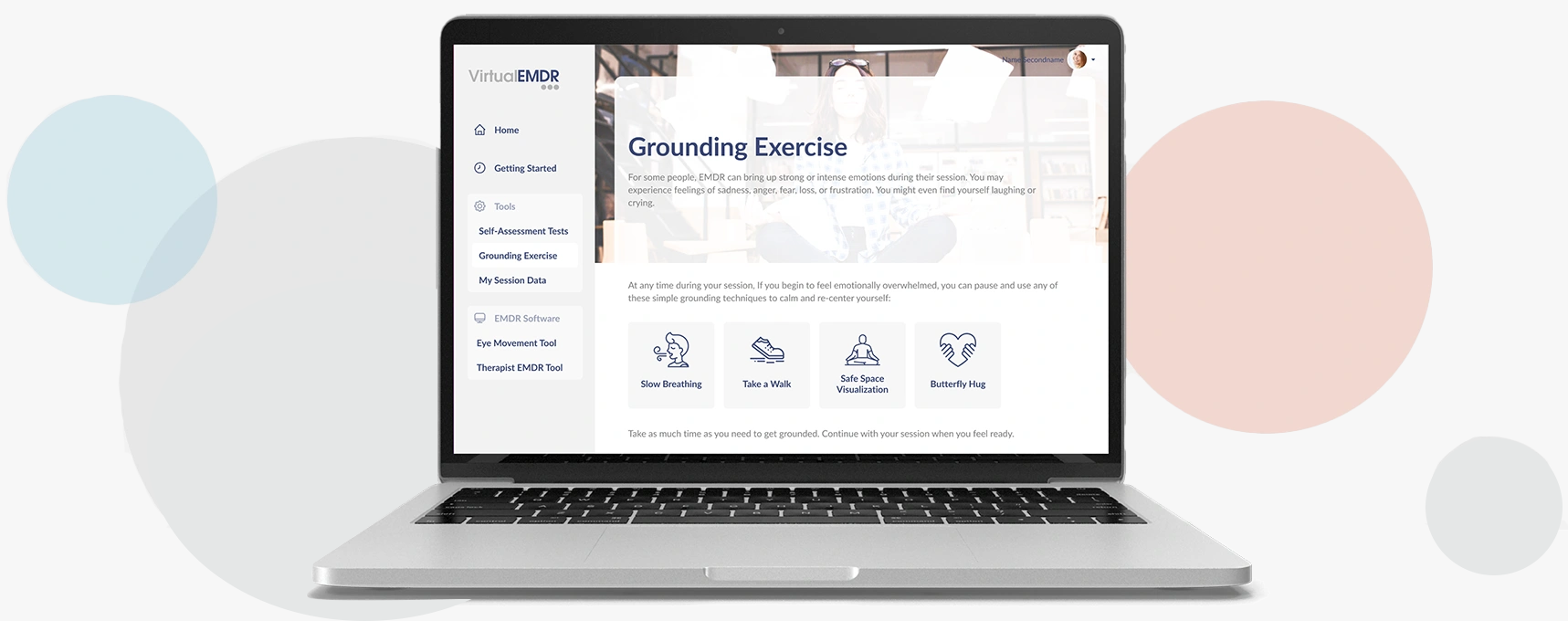
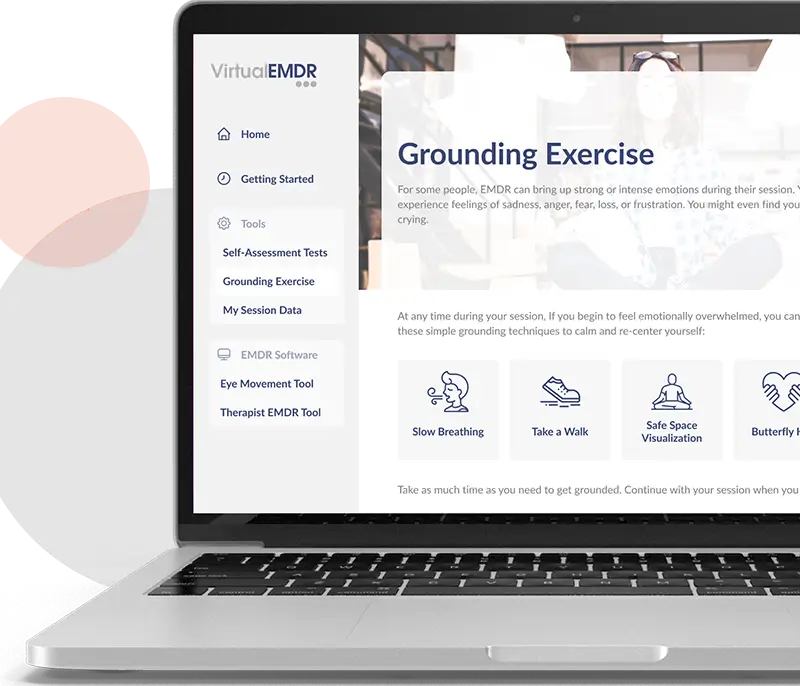
Check out why Virtual EMDR is uniquely designed for you:
Frequently Asked Questions
Can EMDR be used for low self-esteem?
Yes. EMDR can be used to work on painful experiences and negative beliefs that continue to affect how you see yourself.
What can I work on with Virtual EMDR for self-esteem?
You can work on painful memories, criticism, rejection, shame, self-doubt, and experiences that contributed to negative beliefs about yourself.
Can past experiences affect self-esteem?
Yes. Experiences such as criticism, rejection, bullying, difficult relationships, or other painful events can influence the beliefs you develop about yourself.
Can EMDR be used to work on negative beliefs about yourself?
Yes. EMDR can help you work on the memories and emotions connected to negative self-beliefs and develop more positive and adaptive beliefs about yourself.
Start Building a Healthier View of Yourself
Work on experiences and negative beliefs that may be affecting how you see yourself today.

Ready to take the
Self-Esteem Test?
The Rosenberg Self-Esteem Scale (RSES) assessment was developed in 1965 by Morris Rosenberg. It is widely used by professionals to measure self-esteem among men and women, adults and adolescents.

It comprises 10 questions with 4 choices.
Estimated Time to complete: 5 minutes
Self-Esteem Test
Your Score is :


Enter your email to get updates, special offers, and a free EMDR E-Book
Virtual EMDR for:
Corporate