 Tag:
Tag:
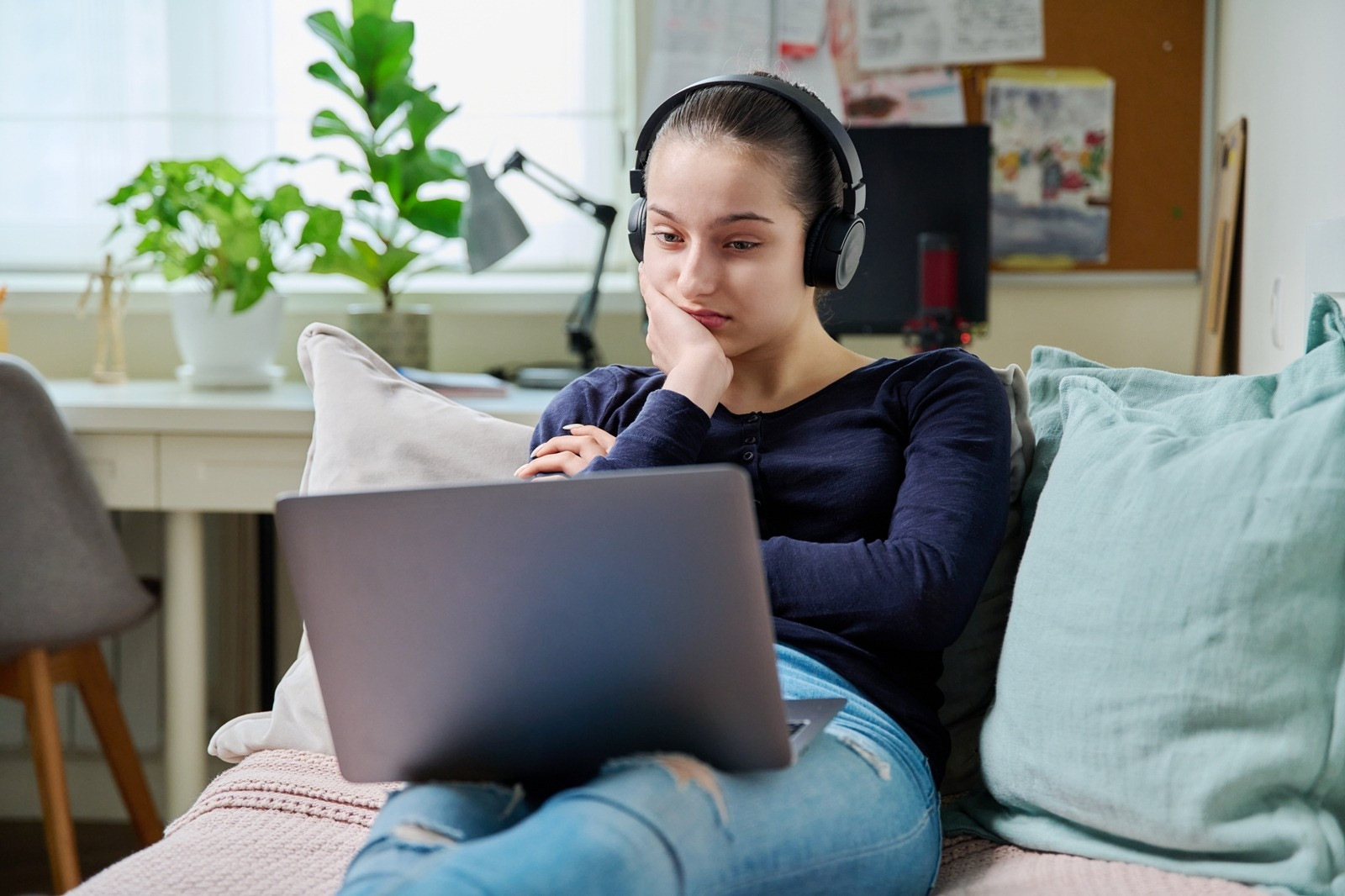
What Do You Need for an At-Home EMDR Session?
Short Answer: You don't need much to do EMDR at home. For an online or self-guided session, the basics are a computer or tablet, a reliable internet connection, and a comfortable place where you can focus without too many interruptions. Depending on the type of bilateral stimulation you're using, headphones may also be helpful. Most importantly, choose a time and setting where you can give the session your attention.
Key Takeaways
- You don't need special or expensive equipment to do EMDR at home.
- A computer or tablet and reliable internet connection are usually the main technical requirements for online EMDR.
- Headphones can be useful if you're using alternating audio for bilateral stimulation.
- Choose a reasonably quiet, comfortable place where you can focus.
- You don't need to create a perfect environment before beginning.
- With a self-guided program, you can choose when to start, pause, or stop a session.
What Equipment Do You Need for EMDR at Home?
For most online EMDR sessions, the equipment is simple.
You will generally need:
- A computer or tablet
- A reliable internet connection
- A comfortable chair or other place to sit
- Enough screen space to comfortably follow visual bilateral stimulation if you're using it
You may also want headphones or earbuds if your session uses alternating sounds.
That's usually enough.
You do not need a specially equipped therapy room, specialized furniture, or complicated equipment to do an online EMDR session from home.
Do You Need a Computer?
For an online self-guided EMDR program, a computer or tablet can make it easier to follow the exercises and see visual bilateral stimulation clearly.
A larger screen may be more comfortable for visual exercises because it gives your eyes more room to follow movement from side to side.
The important thing is that you can comfortably see and interact with the program without struggling to follow what's happening on the screen.
Do You Need Headphones for EMDR?
Not necessarily.
Headphones are most useful when bilateral stimulation involves alternating sounds between the left and right ears.
If you're using visual bilateral stimulation, you may not need headphones at all.
Some people also simply prefer headphones because they reduce background noise and make it easier to concentrate.
If you use them, choose headphones or earbuds that feel comfortable rather than something distracting or cumbersome.
What Kind of Room Is Best?
You don't need a special EMDR room.
A reasonably quiet place where you can sit comfortably and focus is usually enough.
This might be:
- A bedroom
- A home office
- A living room
- Another private area of your home
The goal isn't to create a perfectly silent or carefully arranged environment. It's simply to choose somewhere that allows you to pay attention to the session without frequent interruptions.
If possible, put your phone on silent, close unnecessary browser tabs, and let other people in your home know that you'd prefer not to be interrupted for a little while.
For people working through stress, having a calm and reasonably private space may make it easier to stay focused during the session.
Does the Room Need to Be Completely Quiet?
No.
Normal background sounds are not necessarily a problem.
You don't need to eliminate every sound in your environment before beginning. What matters is whether the noise is distracting enough to make it difficult for you to focus.
If your home tends to be busy, headphones may make concentrating easier.
You can also choose a time of day when your surroundings are naturally a little quieter.
If you are using EMDR for experiences connected to anxiety, reducing unnecessary distractions may help you focus more comfortably.
Should You Sit or Lie Down?
Sitting is usually the simplest choice for an online EMDR session, particularly when you're following visual movement on a screen.
Choose a chair or seating position that lets you see the screen comfortably without needing to strain your neck or eyes.
You don't need a particular posture. The goal is simply to be comfortable enough that your chair or position isn't competing for your attention.
How Far Should You Sit From the Screen?
There isn't one required distance.
Sit far enough away that you can comfortably follow movement across the screen without needing to move your whole head back and forth.
You should also be close enough to see the instructions clearly.
A normal, comfortable computer-viewing distance is generally a practical starting point. You can adjust your position if the visual movement feels easier to follow from slightly closer or farther away.
What About Lighting?
Ordinary room lighting is usually fine.
You don't need to dim the lights or create a particular atmosphere for EMDR.
Try to avoid strong glare on your screen because it can make visual exercises harder to follow. Otherwise, choose whatever lighting feels comfortable to you.
Do You Need Anything for Bilateral Stimulation?
That depends on the type of bilateral stimulation you're using.
EMDR may use:
- Visual stimulation: Following movement from side to side
- Audio stimulation: Listening to sounds that alternate between the left and right sides
- Tapping: Alternating taps from one side of the body to the other
With an online program, the visual or audio stimulation may be provided directly through the program.
That means you generally don't need to purchase separate bilateral stimulation equipment.
Do You Need to Prepare a Memory Before the Session?
You don't necessarily need to spend a long time preparing beforehand.
EMDR involves bringing a memory, thought, feeling, or other focus to mind as part of the process.
A structured self-guided program can guide you through choosing what you want to focus on rather than requiring you to have everything planned before you begin.
You also don't have to begin with the most difficult experience you can think of. You can choose what you want to work on and move at a pace that feels manageable.
How Much Time Should You Set Aside?
It helps to choose a period when you aren't likely to be interrupted or immediately rushed into something else.
Exactly how much time you need depends on the type of EMDR session you're doing and the program you're using.
With self-guided EMDR, you have more flexibility because you control when you begin and how long you continue.
If you're new to the process, leaving yourself a little flexibility around the session can also help you learn what timing works best for you.
Do You Need Someone Else at Home?
No. A self-guided EMDR program is designed to be used independently, so you do not need another person sitting with you in order to complete a session.
Some people prefer privacy when working through personal thoughts or memories. Others don't mind having family members or roommates elsewhere in the home as long as they are unlikely to be interrupted.
Choose the environment that makes it easiest for you to focus.
Do You Need a Therapist for At-Home EMDR?
It depends on which type of at-home EMDR you are doing.
With therapist-guided online EMDR, you participate from home while a therapist guides the session remotely through video or telehealth.
With self-guided EMDR, you use a structured program independently without a therapist conducting the session in real time.
These are two different ways of doing EMDR from home.
Using Virtual EMDR at Home
Virtual EMDR is a specific self-guided online EMDR program designed to be used independently.
You access the program online and move through the structured process yourself. You can choose when to do a session, control your pacing, and select and adjust the available bilateral stimulation settings.
For the basic setup, you mainly need a suitable device, internet access, and a place where you can focus.
Because the program is self-guided, you can also pause or stop whenever you choose and return another time.
A Simple At-Home EMDR Setup
Your setup doesn't need to be complicated.
Before beginning, you might simply check that:
- Your computer or tablet is ready
- Your internet connection is working
- Your screen is positioned comfortably
- Your headphones are available if you're using audio stimulation
- You're sitting somewhere comfortable
- You have enough privacy to focus
- You're unlikely to be interrupted for the duration of the session
Once those basics are covered, there is usually no need to spend additional time trying to create the “perfect” EMDR environment.
Conclusion
You don't need an elaborate setup to do EMDR at home.
For most online self-guided sessions, the basics are a computer or tablet, reliable internet access, and a comfortable place where you can focus. Headphones can be useful if you're using audio bilateral stimulation, but they aren't always necessary.
The goal is not to create a perfect therapy environment. A simple, comfortable setup with enough privacy and few interruptions is usually all you need to get started.









View Comments